Lobera

$25.00

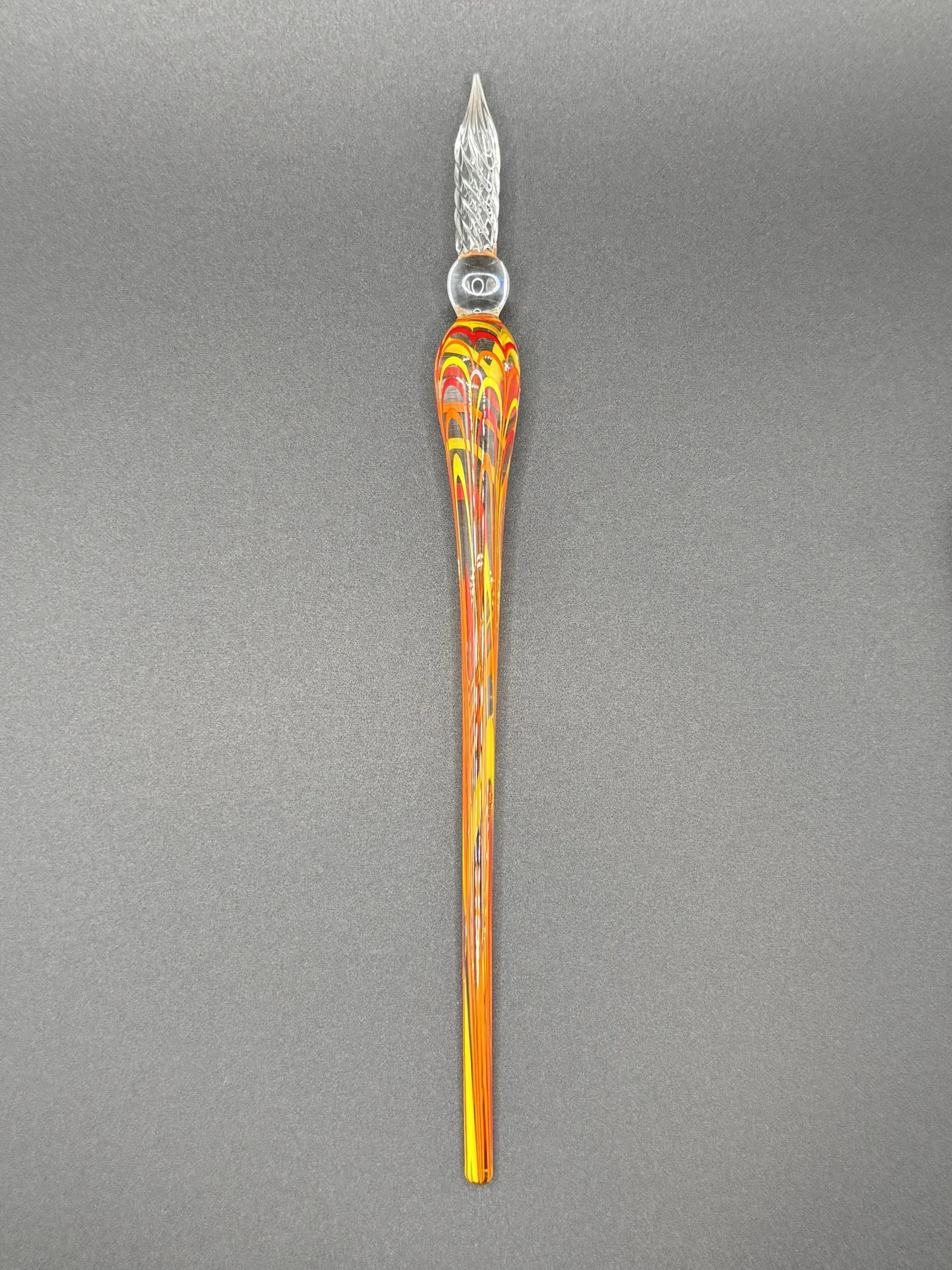
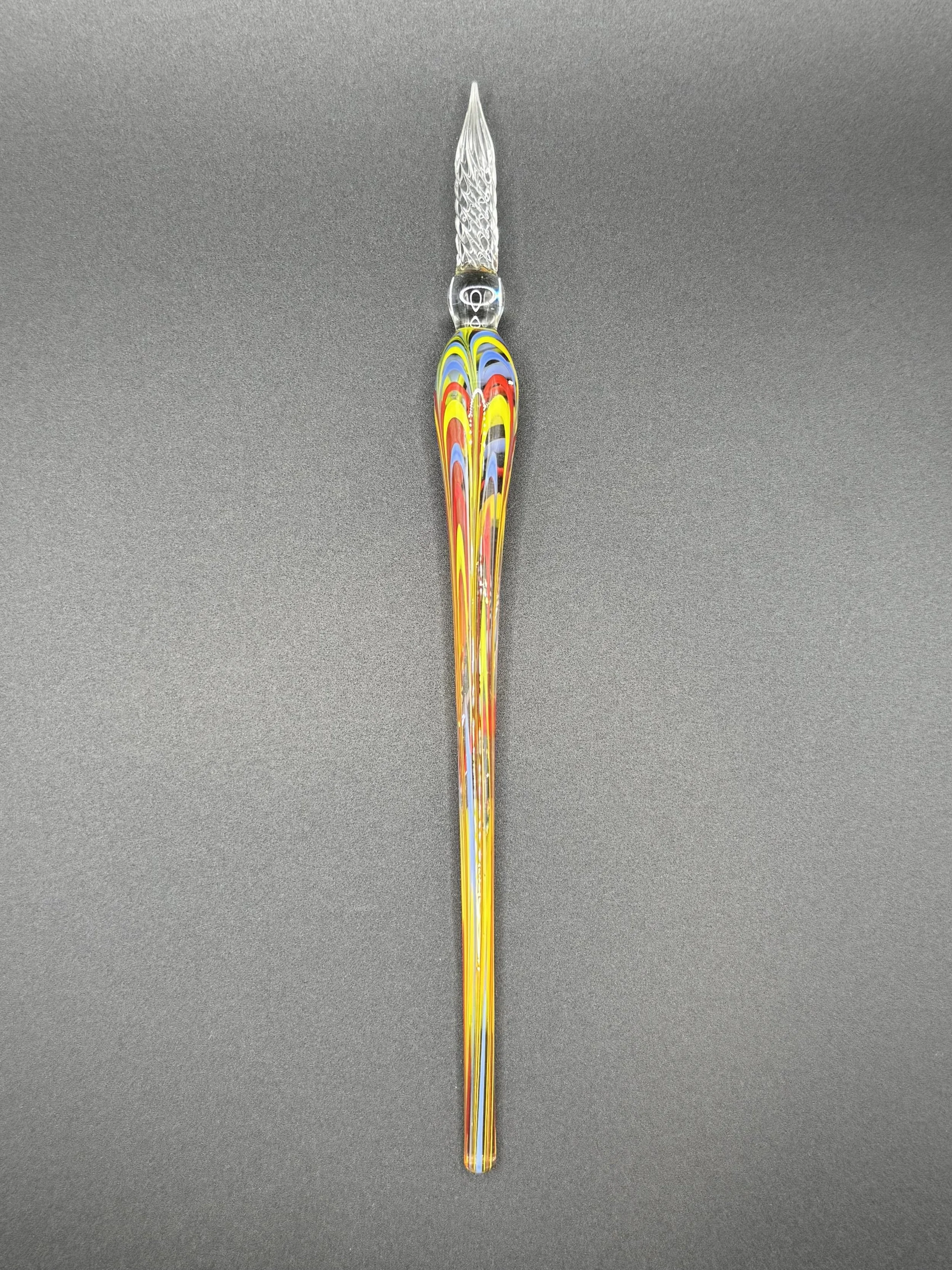
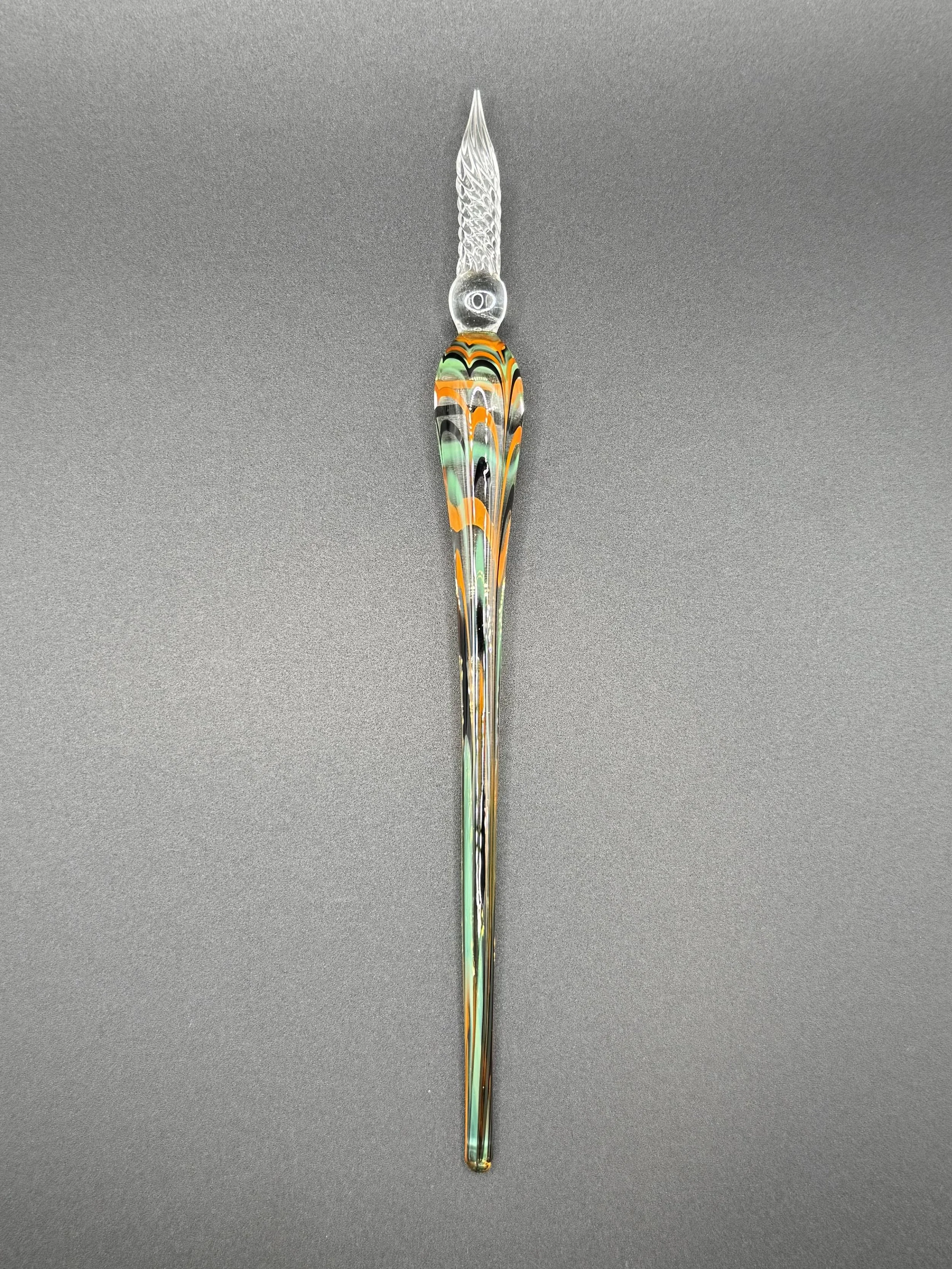
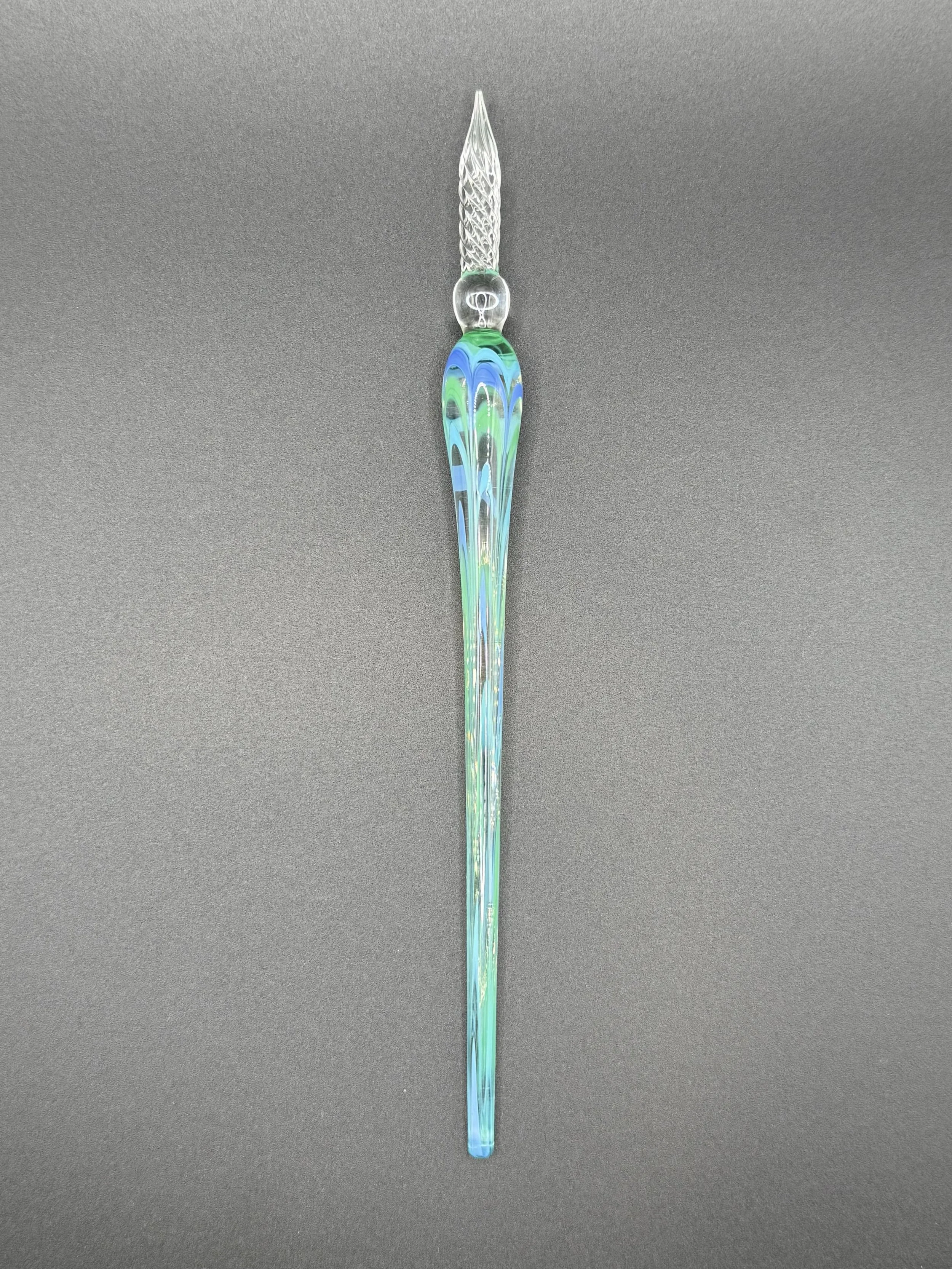
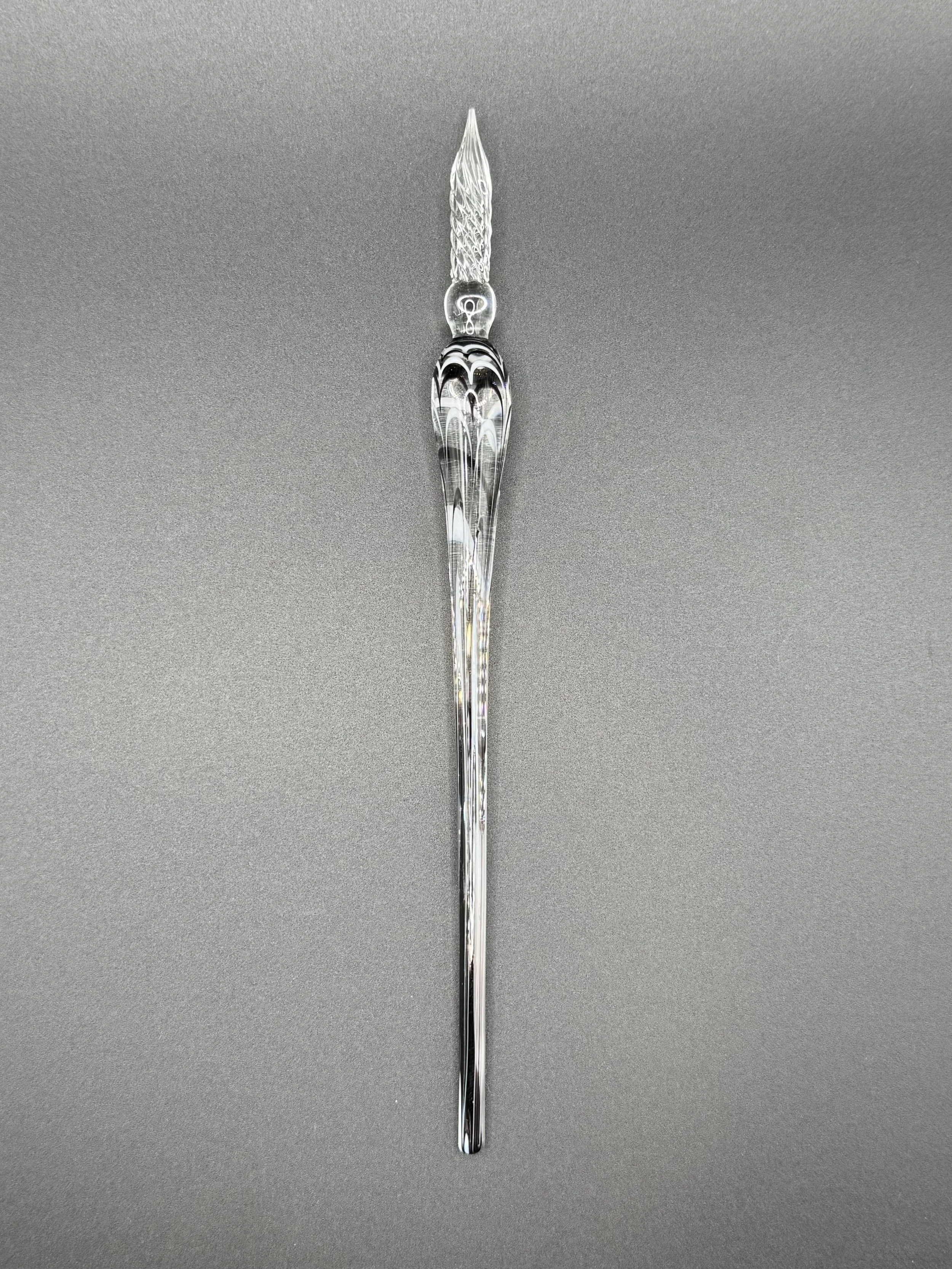
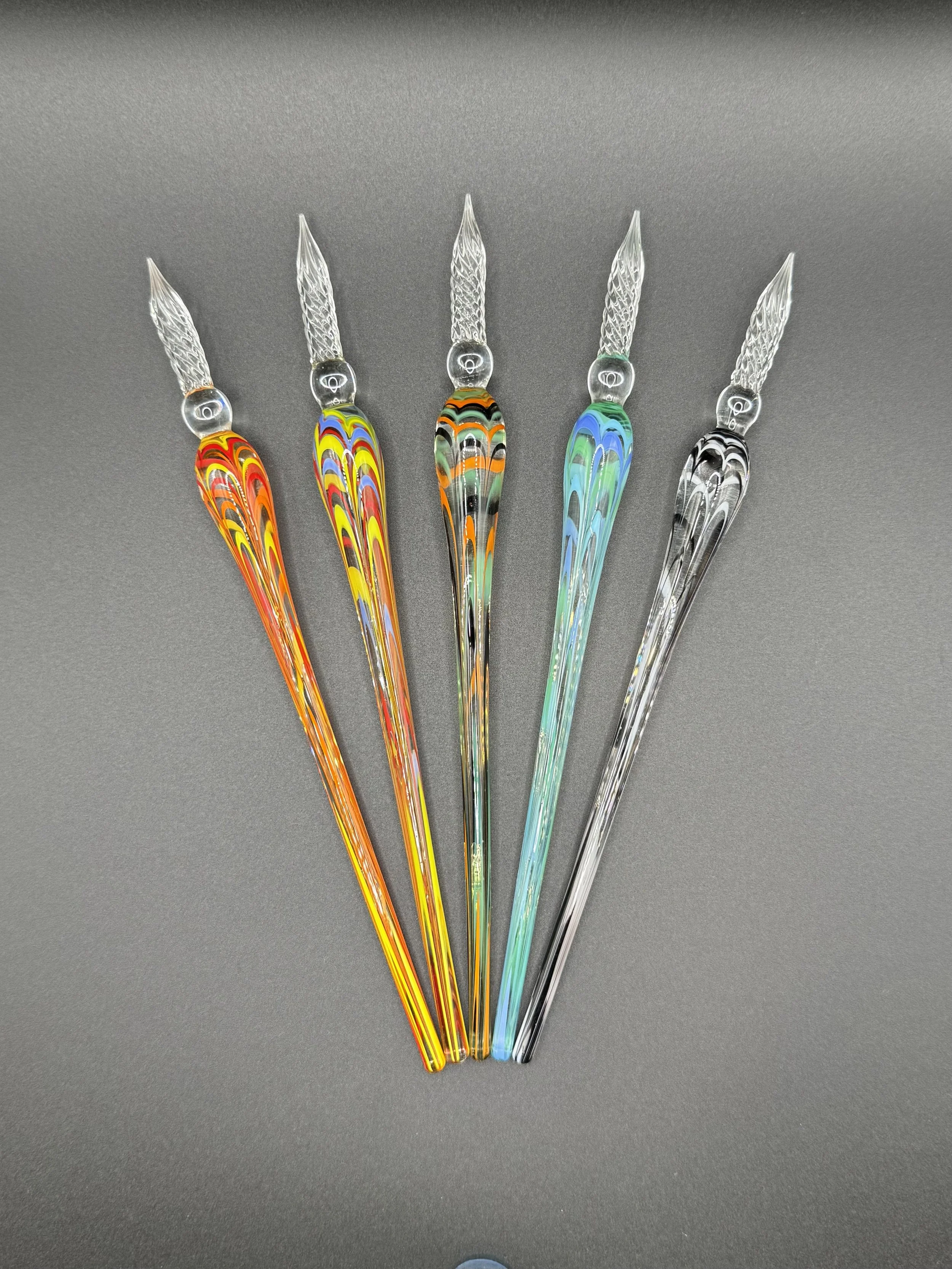
Lobera is warmly welcomed to our hand-blown glass dip pen collection. A pattern of vivid colors are intricately swirled in repetition around the crystal-clear pen, creating a peacock tail-like effect. The grip area is ergonomically shaped for comfortable writing, and the spiral nib allows for several lines of writing before having to re-dip. It comes with a matching glass pen rest and a 7ml bottle of ink; all presented in an elegant black gift box.

*Our glass dip pens are all hand-blown, so no two are ever alike. There may be slight differences in the length and width of the pens, and they may have small inclusions within the glass that can be seen when looking closely. Like anything handmade, this adds to the unique beauty of the pen.

Color:

Lobera is warmly welcomed to our hand-blown glass dip pen collection. A pattern of vivid colors are intricately swirled in repetition around the crystal-clear pen, creating a peacock tail-like effect. The grip area is ergonomically shaped for comfortable writing, and the spiral nib allows for several lines of writing before having to re-dip. It comes with a matching glass pen rest and a 7ml bottle of ink; all presented in an elegant black gift box.

*Our glass dip pens are all hand-blown, so no two are ever alike. There may be slight differences in the length and width of the pens, and they may have small inclusions within the glass that can be seen when looking closely. Like anything handmade, this adds to the unique beauty of the pen.

Grus was the famed sword of Bolesław III Krzywousty—Bolesław III Wrymouth, Duke of Poland from 1107 to 1138 and one of the great warrior-princes of medieval Poland. Carried during a reign marked by near-constant warfare, Grus accompanied Bolesław through campaigns against Pomerania, Bohemia, Hungary, and the forces of the Holy Roman Empire, becoming an emblem of his martial authority. Among his greatest achievements were his campaigns into Pomerania, where Polish armies fought to extend ducal power toward the Baltic and bring the region under Christian influence. The sword would have served as both a formidable battlefield weapon and a visible symbol of princely command, reflecting an age in which a ruler was expected to lead his warriors personally in war. Grus became particularly associated with Bolesław’s reputation for courage, determination, and the defense of Polish sovereignty against foreign intervention. Bound to the legacy of a ruler who spent much of his life on campaign, Grus endures as a symbol of conquest, kingship, and the fiercely independent warrior tradition of medieval Poland.